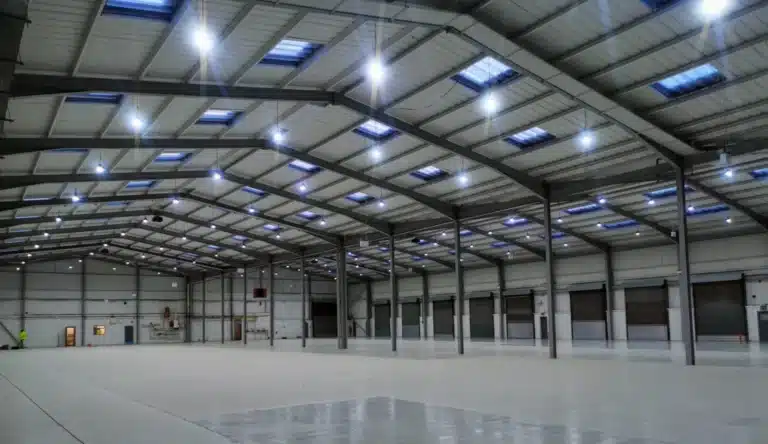
Choosing the right industrial paint is not just about appearances — it’s about protecting surfaces, meeting safety rules, and saving money in the long run. At Fine Lines Decorating, we know how tricky it can be to pick the best product. That’s why we’ve created this helpful guide. Whether you’re painting a warehouse, fixing up machines, or taking care of industrial buildings, this guide explains everything you need to know in one place.
What Is Industrial Painting?
Industrial painting is the use of specialist paints and coatings on surfaces in tough working environments. These might include factories, metal structures, warehouses, machines, or even offshore platforms. The purpose is to protect these surfaces from damage caused by water, chemicals, heat, or wear over time.
Unlike paints used in homes or shops, industrial coatings are made to last. They are chosen for how well they protect, not just how they look. When you use the right paint system, you reduce repair costs, improve safety, and get longer use out of the surface.
Why Choosing the Right Paint Matters
If you choose the wrong paint, surfaces can quickly begin to rust, crack, or peel. This can lead to costly repairs, downtime, or safety issues. On the other hand, the right coating helps surfaces last longer, reduces future maintenance, and keeps your workplace looking professional.
We’ve seen many businesses lose time and money because they didn’t use a product suited to their environment. A smart choice now can prevent problems down the line. And with each paint type offering different strengths and limitations, taking the time to understand your options is essential.
Check Your Environment First
Before choosing a paint, take a close look at the area where it will be used. Every site has different challenges, and your paint must be ready for them.
Ask yourself the following:
- Will the area be exposed to extreme heat or cold?
- Are there chemicals like oils or cleaning fluids nearby?
- Is it a damp or wet environment, such as near water or high humidity?
- Will there be lots of physical contact, machinery movement, or foot traffic?
- Is the surface exposed to sunlight for long periods?
- Are you painting metal, concrete, wood, or something else?
- Is the surface brand new, rusty, or already painted?
Knowing the answers to these questions will help you narrow down the best product for the job.
Common Types of Industrial Paints
There are many types of industrial paints available. Each one works best in certain conditions. Below is a clear overview of the most common options.
Epoxy Paints
Epoxy paints are extremely tough and stick well to surfaces. They work well in workshops, floors, and areas with chemical spills. They are also good for metal that comes into contact with water. However, epoxies can fade or chalk when used outside, so they’re better for indoor jobs or when covered with a UV-protective topcoat.
Polyurethane Paints
Polyurethane coatings are known for their strength, glossy finish, and ability to handle sunlight, knocks, and chemicals. They are often used on machines, vehicles, and outdoor steel. They stay looking good for years, but need careful mixing and experienced application to perform at their best.
Acrylic Paints
Acrylics are water-based, dry quickly, and are better for the environment. They’re a good choice for less demanding areas, both inside and out. Acrylic paints don’t smell as strongly and are easier to apply, but they don’t handle heavy use as well as epoxies or polyurethanes.
Alkyd Paints
Alkyd paints are oil-based and known for their hard finish and good grip. They are often used on steel structures. They take longer to dry and contain more solvents, so proper ventilation is important. However, they provide long-lasting protection where durability matters.
Bitumen Paints
Bitumen paints are waterproof and great for surfaces that are always damp or even underwater. They are commonly used on pipes, tanks, and concrete. While they are very effective at stopping water, they are not decorative — they usually come in black and have a basic finish.
Zinc-Rich Primers
Zinc-rich primers are ideal for protecting metal from rust. They are especially useful on steel structures, bridges, and anything exposed to water or coastal weather. These primers work by acting as a “sacrificial layer”, protecting the metal underneath. They are often used as a base coat, followed by additional layers.
Powder Coatings
Powder coatings are applied as dry powder and cured in an oven. They create a hard, even finish that resists chips and scratches. They’re used on items like railings, fences, or vehicle parts. They’re durable and eco-friendly, but require special equipment, so they’re not suitable for all sites.
Preparing the Surface Properly
Even the best paint won’t stick well if the surface isn’t prepared correctly. Good preparation makes a huge difference in how long your coating will last.
Here are the main steps:
- Cleaning – Remove grease, dirt, and dust using cleaners or pressure washing.
- Rust Removal – Use a wire brush, sandblaster, or chemical treatment to get rid of rust.
- Repairing Damage – Fill in holes, smooth out sharp edges, and fix dents or cracks.
- Etching – On shiny or smooth surfaces, etching may be needed to help paint stick.
- Priming – Use the right primer for the material, such as zinc-rich for metal or shellac for stain-blocking.
Skipping preparation often leads to paint peeling or failing sooner than expected.
Application Methods
How the paint is applied will affect the finish, drying time, and coverage.
- Brush and roller – Best for small areas or repairs. Slower but more precise.
- Airless spray – Fast and even, great for large surfaces like walls or ceilings.
- Electrostatic spray – Wraps paint around surfaces like pipes and railings.
- Dip or flow coating – Used for small, factory-made parts needing even coverage.
- Powder coating – Requires special equipment and heat curing, mainly for metal.
Each method has its pros and cons. We choose the one that suits your site, budget, and surface type.
Choosing the Right Paint Supplier
A great coating is only as good as the advice and support behind it. That’s why choosing a reliable supplier is key.
We recommend working with a local supplier who knows the climate and common industrial issues in your area. A supplier should offer a full range of paint types and finishes — from primers to specialist topcoats — to suit a variety of needs. Many suppliers also provide paints offering custom colours or finishes, which can be essential for branding or matching existing work.
Expert advice is another must. A supplier should be able to explain how each product works, what surface it’s best for, and how to apply it properly. A strong reputation for high-quality service and technical support is a good sign that you’re dealing with a trusted business. And as environmental concerns grow, choosing a supplier who offers eco-friendly paints is another smart step.
Compliance and Environmental Factors
It’s not just about performance — your coating needs to meet environmental and safety standards as well.
Paints with high levels of VOCs (volatile organic compounds) can be harmful indoors. Water-based or low-VOC coatings are a better option in those cases. Safe disposal of old paints and materials is essential, and in the UK, you’ll need to follow COSHH rules to stay compliant.
You should also avoid outdated products that may still contain lead or heavy metals. Look for paints that are safer to use and handle. Reflective or insulating coatings can also improve energy efficiency by keeping buildings warmer in winter or cooler in summer.
Choosing eco-conscious products and methods is a smart move for long-term protection and compliance.
Problem-Solving Paints and Special Cases
Some jobs come with tricky problems. Thankfully, there are coatings made to handle specific challenges.
If you’re dealing with damp or water-damaged areas, anti-damp paints allow moisture to escape while still offering protection. MDF and glossy surfaces like melamine need special primers to help paint stick properly. Shellac-based primers are perfect for blocking stains and strong smells like nicotine or smoke.
Thermal paints can stop condensation, making them ideal for bathrooms, kitchens, or cold rooms. And if you’re painting metal surfaces in coastal or wet areas, zinc-rich or all-metal primers offer long-term anti-rust protection.
Maintenance and Recoating
No coating lasts forever, but regular maintenance can make it last much longer.
Inspect surfaces regularly for signs of damage like fading, rust spots, or peeling. Clean them with suitable products to avoid weakening the paint. If you spot a problem early, touch-up work can save you from a full repaint.
Recoating time depends on the paint type and exposure levels, but it’s usually needed every three to eight years. Follow the manufacturer’s guidance and keep track of when each surface was last painted.
A little upkeep goes a long way. It keeps your property looking professional and protects your investment.
Frequently Asked Questions (FAQ)
1. How do I calculate how much industrial paint I need?
To estimate paint usage, measure the total surface area to be coated and check the manufacturer’s coverage rate — usually shown in square metres per litre. For example, if your coating covers 8m² per litre and your surface is 80m², you’ll need 10 litres per coat. Allow for at least two coats and add extra for textured surfaces or awkward shapes. It’s also wise to include a 10–15% margin for waste or touch-ups.
2. What’s the difference between one-pack and two-pack paint systems?
A one-pack system is a single-component paint that’s ready to apply straight from the tin. These are quick and convenient for smaller or less demanding jobs. Two-pack systems, on the other hand, involve mixing a base and a hardener before use. They offer much greater durability and resistance to wear, chemicals, and abrasion — making them the preferred choice for many industrial environments.
3. Can I apply industrial coatings in cold or damp conditions?
Industrial coatings generally need a dry environment and a minimum temperature — often above 5°C — to cure correctly. Cold or damp weather can delay drying and lead to poor adhesion or blistering. Some specialised products are made for colder applications, but if the conditions can’t be controlled, it’s usually better to wait for a more stable climate or create a sheltered environment.
4. Do industrial coatings need special storage?
Yes. Most industrial paints should be stored in a cool, dry, and well-ventilated space away from direct sunlight and extreme temperatures. Containers should be kept upright and sealed tightly to avoid contamination or drying out. For solvent-based paints, keep them away from ignition sources. Always check the label for specific storage guidelines and shelf life.
5. Are fire-resistant industrial paints available?
Yes, certain industrial coatings are specially designed to resist fire. Intumescent paints swell when exposed to heat, forming a protective barrier that slows down the spread of flames and helps maintain the structure of materials like steel. Fire-retardant paints are often used in warehouses, stairwells, or industrial storage areas where fire regulations are strict.
6. How long should I wait before using the painted area?
Drying and curing times vary by product. Touch dry may take just a few hours, but full curing — when the paint reaches maximum hardness and resistance — can take several days. For floors or machinery, waiting 5–7 days before heavy use is common. Always follow the specific drying time guidance from the product manufacturer.
Speak to the Experts at Fine Lines Decorating
Not sure which paint is right for your project? We’re here to help. At Fine Lines Decorating, we’ve handled a wide range of industrial painting jobs across the UK. We combine expert knowledge with high-quality workmanship to deliver long-lasting results.
Whether you’re coating a steel frame, machinery, or concrete floor, we’ll guide you through the whole process — from product selection to professional application.
Get in touch with us today for honest advice and a reliable service you can trust.